
Published July 10, 2024
Harmony in Design: 5 Tips for Creating a Home You and Your Partner Will Both Love

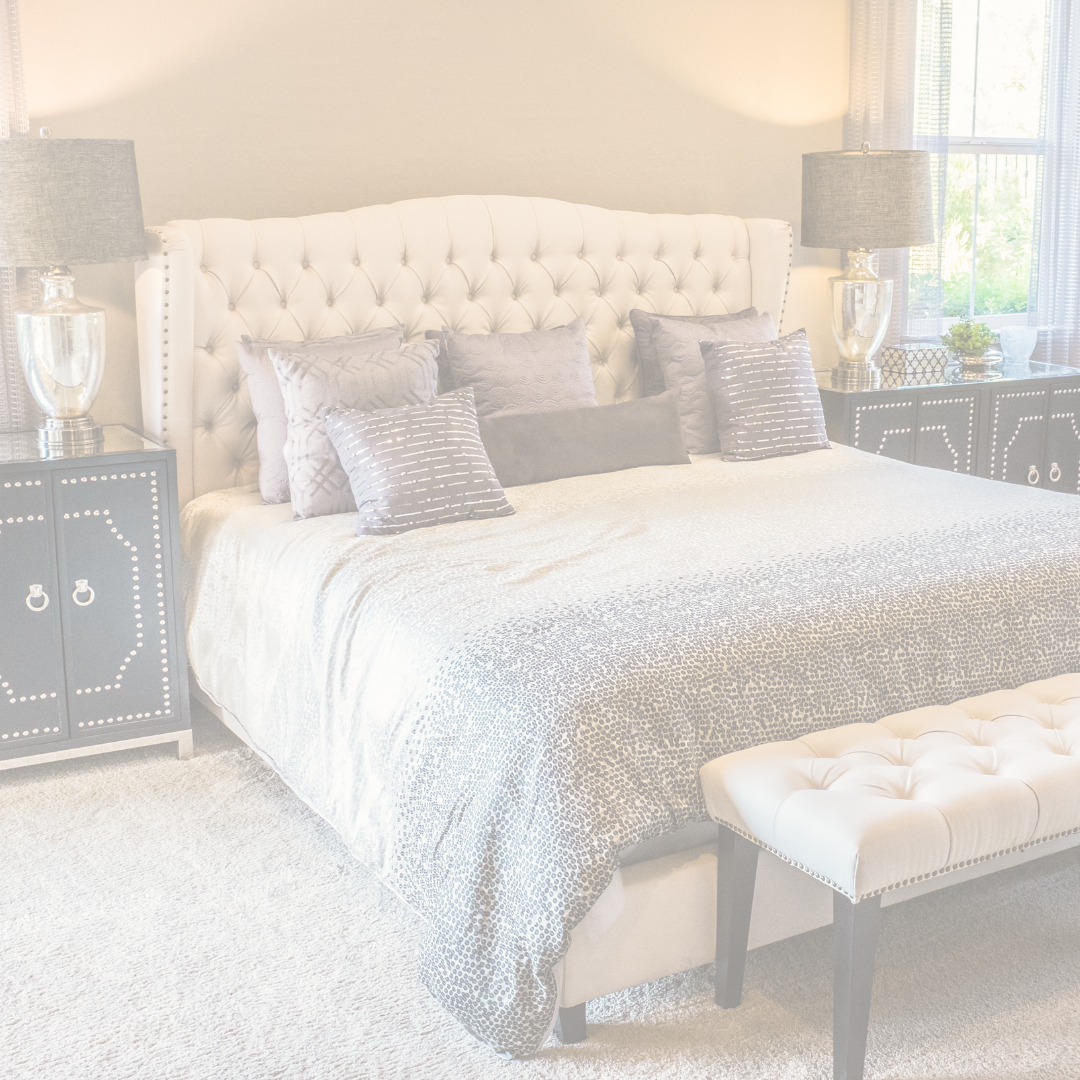
Designing a home that satisfies both you and your partner's tastes can be an exciting yet challenging endeavor. Balancing different styles and preferences requires communication, compromise, and a shared vision for your living space. In this blog post, we'll explore five tips to help you create a home that resonates with both you and your partner, fostering a harmonious and stylish living environment.
1. Communication is Key
The foundation of any successful home design collaboration is open and honest communication. Take the time to discuss your individual tastes, preferences, and must-haves for the home. Encourage your partner to do the same. This dialogue will help identify common ground and areas where compromise is possible. Establishing a shared vision early on sets the stage for a harmonious design process.
2. Find a Common Design Theme
Discovering a design theme that resonates with both you and your partner is crucial. Look for styles, color palettes, or themes that incorporate elements from both your preferences. This could be a fusion of modern and traditional, a balance of neutral tones and vibrant accents, or a theme inspired by shared interests. A cohesive design theme creates visual unity throughout your home.
3. Compromise on Signature Pieces
Incorporate signature pieces into your home that reflect both your and your partner's tastes. Whether it's a statement furniture item, artwork, or decor piece, compromise on pieces that hold significance for each of you. This allows both individuals to contribute unique elements to the overall design, fostering a sense of ownership and personal connection to the space.
4. Create Personalized Spaces
Designate specific areas or rooms for personalization. Whether it's a home office, a reading nook, or a hobby space, having areas that cater to individual preferences provides a sense of personal space within the shared environment. This approach allows each person to express their style in designated zones while maintaining a cohesive overall design.
5. Blend Design Aesthetics
Rather than strictly adhering to one design style, consider blending aesthetics to create a unique and personalized look. Find commonalities between styles and incorporate elements that complement each other. For example, mix contemporary and rustic elements, or combine minimalist and eclectic features. The key is to strike a balance that appeals to both your design sensibilities.
Bonus Tip: Seek Professional Guidance
If finding common ground becomes challenging, consider enlisting the help of a professional interior designer. Designers are skilled in translating diverse preferences into a cohesive and stylish design. Their expertise can bridge the gap between differing tastes, ensuring that both you and your partner feel heard and satisfied with the final result.
Conclusion: A Home Designed for Two
Designing a home that accommodates both you and your partner's tastes requires a thoughtful and collaborative approach. Through effective communication, compromise, and a shared vision, you can create a living space that reflects the unique personalities of each individual while maintaining a harmonious overall design. Embrace the journey of designing a home together, and you'll not only create a stylish and functional space but also strengthen the bond between you and your partner in the process.